For many young people who have experienced mental health challenges or involvement with the youth justice system, healing is a journey that requires support, understanding, and meaningful connections. At Syl Apps Youth Centre (SAYC), Indigenous teachings and cultural practices play a role in that journey. These teachings provide youth with opportunities for self-reflection, personal growth, and a deeper understanding of themselves and the natural world around them.
Indigenous wisdom emphasizes the importance of living in balance and harmony with oneself, others, and the natural environment. These values align closely with SAYC’s commitment to supporting young people as they work toward wellness and positive change. By incorporating Indigenous teachings into daily life, the Centre creates opportunities for youth to develop resilience, build healthy identities, and strengthen their emotional and spiritual well-being.
A key component of this approach is the integration of Indigenous perspectives throughout the school curriculum at SAYC. Learning about Indigenous history, cultures, and traditions is not only essential to understanding Canada’s past, but also to advancing reconciliation and ensuring that these valuable teachings continue to be heard and respected for future generations. Through educational programming, youth gain a greater appreciation of Indigenous Peoples’ experiences, contributions, and enduring cultural practices.
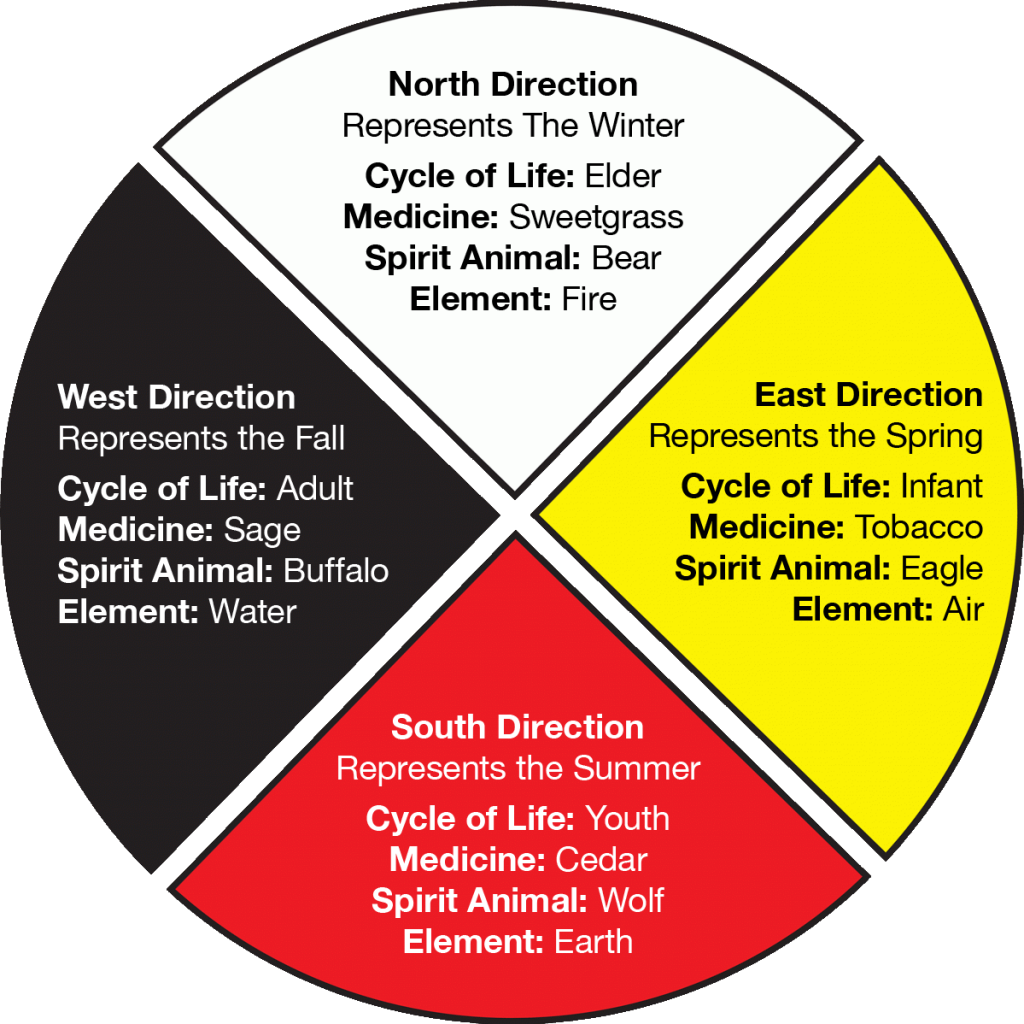
There is so much to learn from Indigenous perspectives. One of the foundational teachings shared with our youth is the Medicine Wheel, a holistic framework that recognizes the interconnectedness of mental, physical, emotional, and spiritual health. Represented by four quadrants, the Medicine Wheel teaches that true wellness comes from achieving balance in all aspects of life.
By encouraging self-awareness and reflection, this focus helps youth understand how their thoughts, feelings, actions, and relationships influence their overall well-being. For many young people navigating personal challenges, the Medicine Wheel offers a powerful reminder that healing involves caring for the whole person, not just one part of themselves.
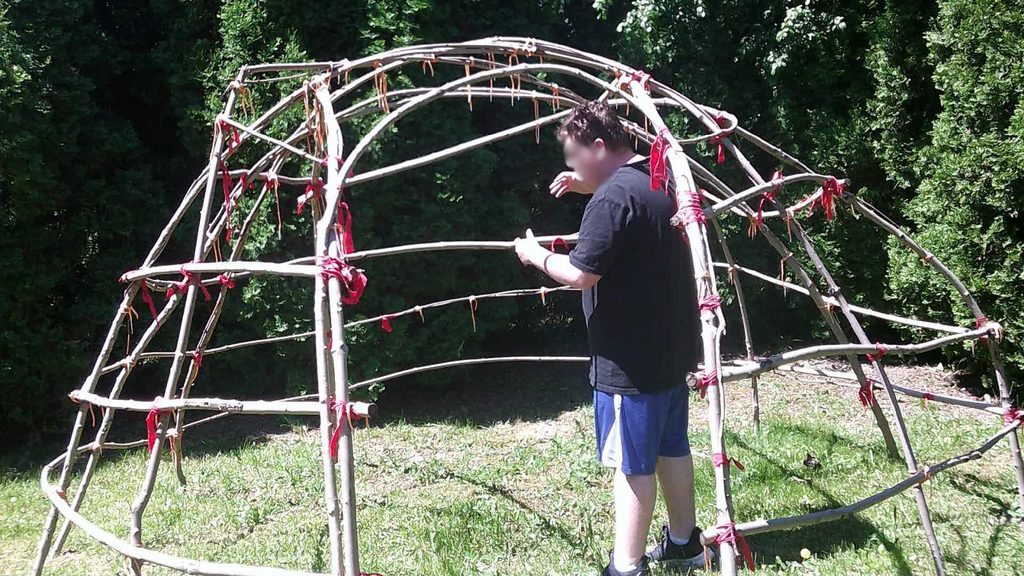
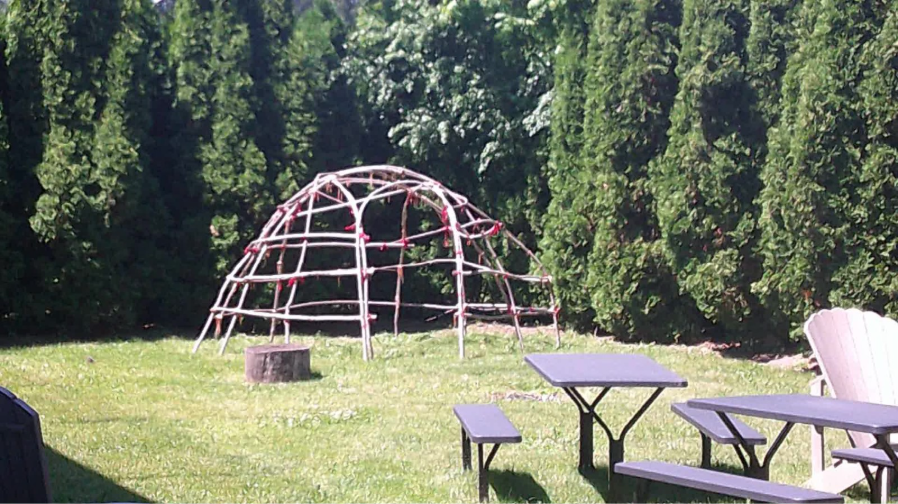
Through hands-on learning and participation in cultural ceremonies the youth can meaningfully understand Indigenous traditions. On Friday, September 4, youth at Syl Apps Youth Centre participated in a Sweat Lodge Ceremony led by Native Child and Family Services of Toronto. The ceremony provided participants with an opportunity to engage in a sacred Indigenous tradition that has been practiced for generations.
Youth at SAYC regularly participate in these ceremonial sweats. We asked one of the youth at Syl Apps, who we will call “K”, to share what these ceremonies involve. K told us that the ceremony typically includes ten rounds of pouring water over heated stones within a covered lodge to create steam using traditional Indigenous methods. K shared that they will create a fire outside the lodge, with the hot stones at the base. They’ll use antlers to collect and bring the stones into the middle of the lodge. They are given cool cloths or towels to have over their faces, and they come out of the lodge periodically to cool down before returning. K shared that it is very dark in the lodge and allows for time to think.
The ceremony is conducted with guidance and respect for cultural customs and is often followed by a feast. More than a physical experience, the Sweat Lodge is a sacred ritual focused on healing, purification, prayer, and spiritual connection. It offers participants a chance to reflect, release burdens, and reconnect with their inner selves in a safe and supportive environment.
Through these experiences, youth are also introduced to the Seven Sacred Teachings: Love, Respect, Bravery, Honesty, Humility, Truth, and Wisdom. These teachings serve as guiding principles that encourage positive decision-making, healthy relationships, and personal responsibility. They remind youth of the importance of treating themselves and others with kindness and integrity while fostering a sense of belonging and purpose.
The teachings emphasize personal growth and strengths rather than past actions or shortcomings. For many of these young people, participating in Indigenous cultural activities is the most memorable part of their time at Syl Apps.
At SAYC, the incorporation of Indigenous teachings reflects a commitment to holistic care and healing, helping them build brighter futures. We’re truly grateful to partner with Native Child and Family Services of Toronto to share their wisdom with the young people at our facility. Through education, ceremony, and cultural engagement, youth are given opportunities to connect with timeless teachings that promote balance, resilience, and hope. We hope that these practices continue to play an important role in supporting these young people after their time at SAYC, and they move forward on their journeys toward wellness, self-understanding, and positive change.
As we approach the National Day for Truth and Reconciliation on September 30, we recognize the importance of learning from and honouring Indigenous voices, knowledge, and traditions. Wearing an orange shirt is a visible reminder of our shared commitment to truth, reconciliation, and respect. The lessons and connections reflected in this work are important not only on September 30, but every day as we continue learning, listening, and building a more inclusive future.